If you're considering importing a vehicle from Japan, you've probably heard that buying through Japanese car auctions can be more affordable than purchasing locally. But what exactly makes auctions such a cost-effective option?
The answer lies in the scale, transparency, and efficiency of Japan's automotive auction system. Every week, hundreds of thousands of vehicles are sold through licensed auction houses, giving buyers access to competitive prices, detailed vehicle inspections, and an incredible range of makes and models.
Whether you're looking for a reliable family SUV, a fuel-efficient hybrid, a commercial vehicle, or a rare JDM performance car, Japanese auctions offer an opportunity to secure exceptional value without compromising on quality.
In this guide, we'll explain how Japanese car auctions help buyers save money and why more Australians are choosing to import directly from Japan through Auto Bid.
What Are Japanese Car Auctions?
Japanese car auctions are wholesale marketplaces where vehicles are sold by dealerships, leasing companies, rental fleets, manufacturers, and private owners. These auctions operate almost every day and feature an enormous selection of vehicles across all price ranges.
Unlike traditional dealerships, auction prices are determined by real-time bidding, allowing vehicles to sell based on current market demand rather than fixed retail pricing.
Because of this competitive environment, buyers often have the opportunity to purchase high-quality vehicles at prices that compare favourably with the local used car market.
1. Access to Wholesale Pricing
One of the biggest advantages of Japanese auctions is access to wholesale market pricing.
When purchasing locally, vehicles often pass through multiple businesses before reaching the final buyer. Each stage may add additional costs, including:
- Dealer markups
- Transport costs
- Reconditioning expenses
- Advertising costs
- Sales commissions
Buying through Japanese auctions removes many of these additional layers, allowing buyers to purchase much closer to the vehicle's true market value.
This can translate into significant savings, particularly for popular Japanese brands such as Toyota, Honda, Nissan, Mazda, Subaru, and Mitsubishi.
2. More Choice Means Better Value
Local dealerships are limited by the vehicles they have in stock.
Japanese auctions are different.
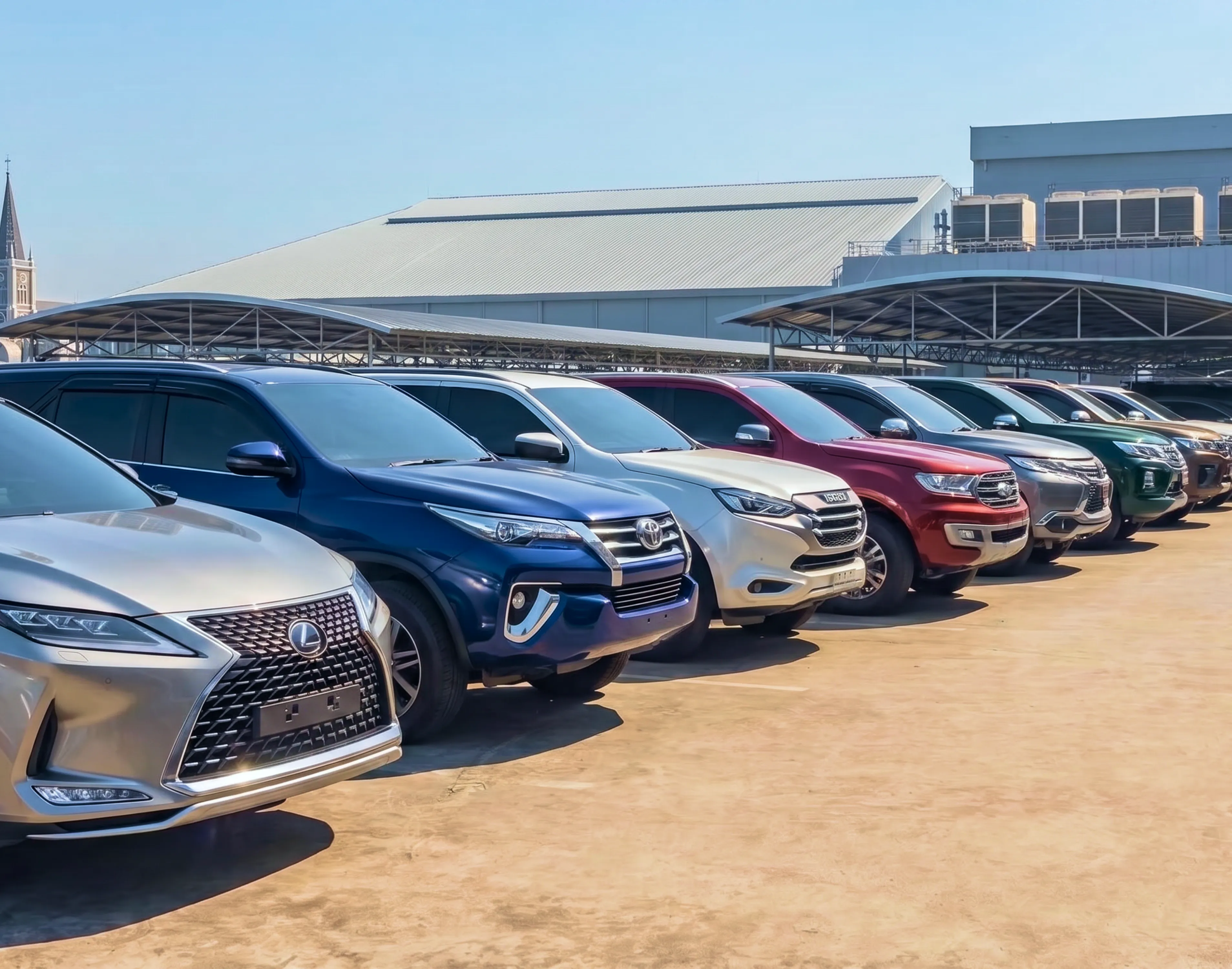
Thousands of vehicles are listed every day, giving buyers an enormous selection of:
- Sedans
- SUVs
- Hybrids
- Utes
- Vans
- Luxury vehicles
- Commercial vehicles
- Classic JDM cars
Rather than settling for the only vehicle available locally, buyers can compare multiple examples of the same model and choose one with the best combination of price, mileage, condition, and features.
This flexibility often results in better value for money.
3. Independent Vehicle Inspections Reduce Risk
Price isn't the only factor that affects value.
Japanese auction vehicles are inspected before sale by independent professionals, providing buyers with detailed information about the vehicle's condition.
Auction reports typically include:
- Overall Grade
- A general assessment of the vehicle's condition.
- Interior Grade
- An evaluation of the cabin's cleanliness and wear.
- Exterior Diagram
- A visual representation of scratches, dents, paintwork, and repairs.
- Mechanical Notes
- Comments regarding any visible faults or concerns.
This transparency allows buyers to make informed purchasing decisions before placing a bid.
Auto Bid reviews and explains these reports so customers understand exactly what they're buying.
4. Lower Mileage Vehicles
Japanese drivers generally travel fewer kilometres each year than many drivers in Australia.
Combined with Japan's efficient public transport system, this often results in used vehicles with relatively low mileage.
Lower mileage can contribute to:
- Longer vehicle lifespan
- Reduced maintenance costs
- Better resale value
- Improved reliability
For buyers looking for long-term value, lower mileage is a significant advantage.
5. Better Maintenance Standards
Japan has one of the strictest vehicle inspection systems in the world.
Regular inspections encourage owners to maintain their vehicles to a high standard, ensuring that many auction vehicles remain in excellent mechanical condition.
As a result, buyers frequently receive vehicles that have been well cared for throughout their ownership.
This can reduce repair costs after purchase and provide greater confidence when importing.
6. Find Higher Specification Models
Many vehicles sold in Japan include features that were never offered on Australian-delivered models.
Depending on the make and model, imported vehicles may include:
- Leather interiors
- Heated seats
- Adaptive cruise control
- 360-degree cameras
- Premium sound systems
- Power sliding doors
- Advanced safety technology
These additional features improve overall value without necessarily increasing the purchase price significantly.
7. Bid Within Your Budget
Another advantage of Japanese auctions is that buyers control how much they spend.
Rather than negotiating against fixed dealership pricing, buyers set a maximum bid based on their budget.
If bidding exceeds that amount, there's no obligation to continue.
Since thousands of similar vehicles become available every week, waiting for another opportunity is often the smartest financial decision.
This disciplined approach helps buyers avoid overspending.
8. Estimate Costs Before You Buy
A common misconception is that importing involves hidden costs.
While importing does include shipping, compliance, and government charges, these expenses can be estimated before placing a bid.
Auto Bid provides an easy-to-use Import Cost Calculator, allowing buyers to estimate the total landed cost of importing a vehicle from Japan.
Calculate your estimated costs here:
https://www.auto-bid.jp/calculator
Knowing your expected costs in advance makes budgeting much easier and reduces unexpected surprises.
Why Auto Bid Makes the Process Easier
Successfully buying through Japanese auctions involves much more than simply placing a bid.
Auto Bid manages every stage of the process, including:
- Vehicle Sourcing
- Search thousands of auction listings to find the right vehicle.
- Auction Sheet Translation
- Understand the condition of each vehicle before bidding.
- Auction Bidding
- Professional bidding based on your approved budget.
- Shipping and Export
- Coordination of documentation, transport, and shipping from Japan.
- Compliance and Delivery
- Assistance with Australian compliance requirements and final delivery.
To learn more about the complete import process, visit:
https://www.auto-bid.jp/how-it-works
Browse Vehicles Already Available
If you'd rather skip the auction process, Auto Bid also offers vehicles that are already in stock.
Browse vehicles currently available in Australia:
https://www.auto-bid.jp/instock?country=Australia
Looking for vehicles outside Australia?
https://www.auto-bid.jp/instock?country=Worldwide
You can also view previously imported vehicles by visiting the Recently Sold page:
Auto Bid Team
July 18, 2026
July 16, 2026


Japanese car auctions offer one of the smartest ways to purchase a quality vehicle while keeping costs under control. Access to wholesale pricing, independent inspections, lower mileage vehicles, and a huge selection allows buyers to find outstanding value compared to many local alternatives.
When combined with the expertise of a trusted importer like Auto Bid, the auction process becomes simple, transparent, and cost-effective. Whether you're searching for your next family car, a reliable work vehicle, or a dream JDM sports car, buying through Japanese auctions can help you maximise your budget without compromising on quality.
.webp)